
Bitcoin, Ethereum, and Co.

Correctly declaring crypto gains, staking, or mining, answering tax office inquiries, or correcting previous filings: We advise and represent you nationwide.
DAC8 and CARF
Crypto data has been systematically recorded since 2026
Since 2026, reporting crypto service providers have been collecting information on users and transactions in accordance with DAC8 and CARF. The first reports concern the 2026 calendar year and are generally transmitted in the following year.
Anyone who has not declared crypto gains, staking, mining, or other income in previous tax returns, or has done so incompletely, should have the facts reviewed now – before the tax authorities take action themselves.
Proven Professional Experience
Complex proceedings demand proven experience and specialized expertise. That is why we feature only awards and credentials that are current and verifiable.
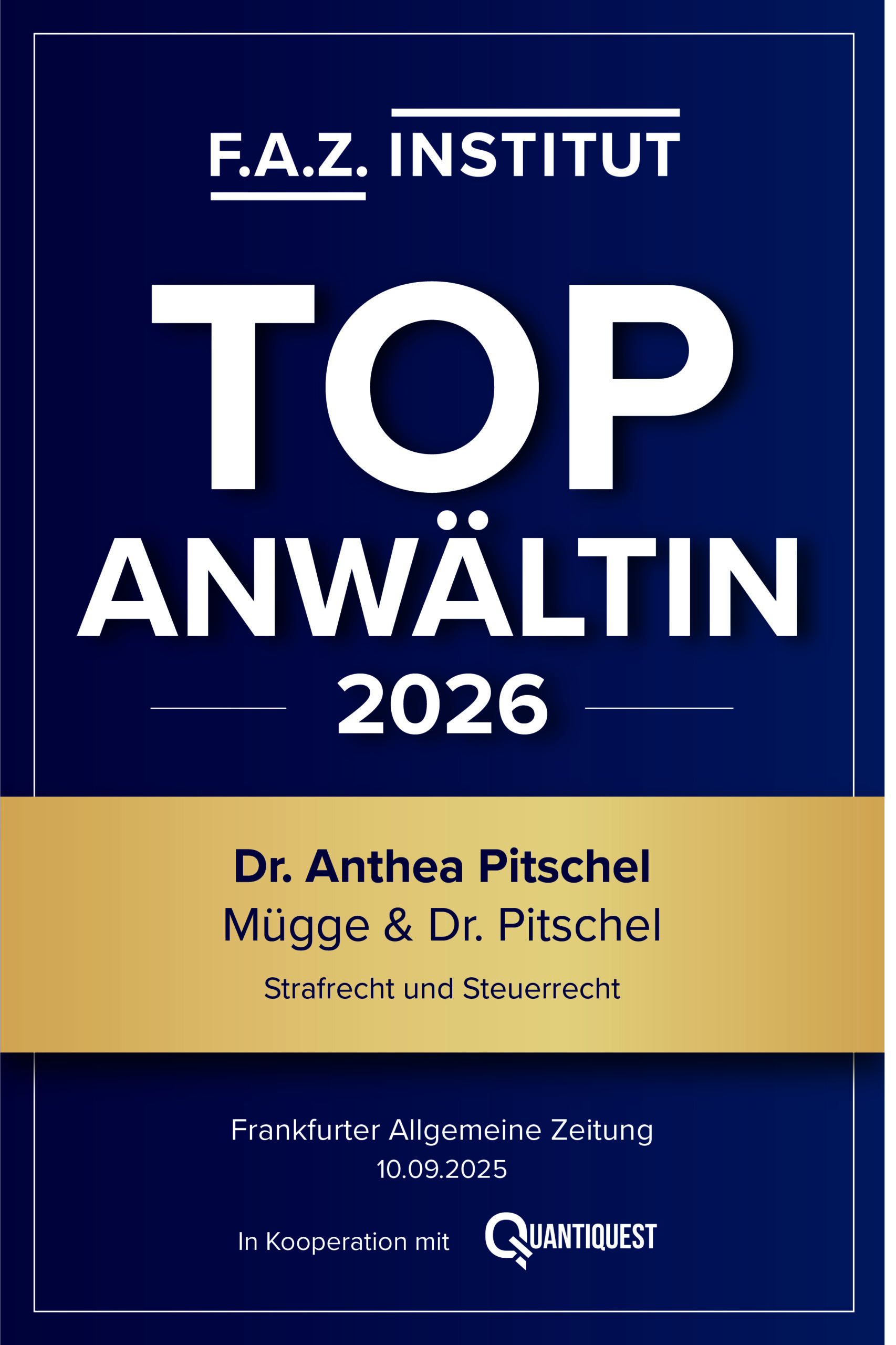
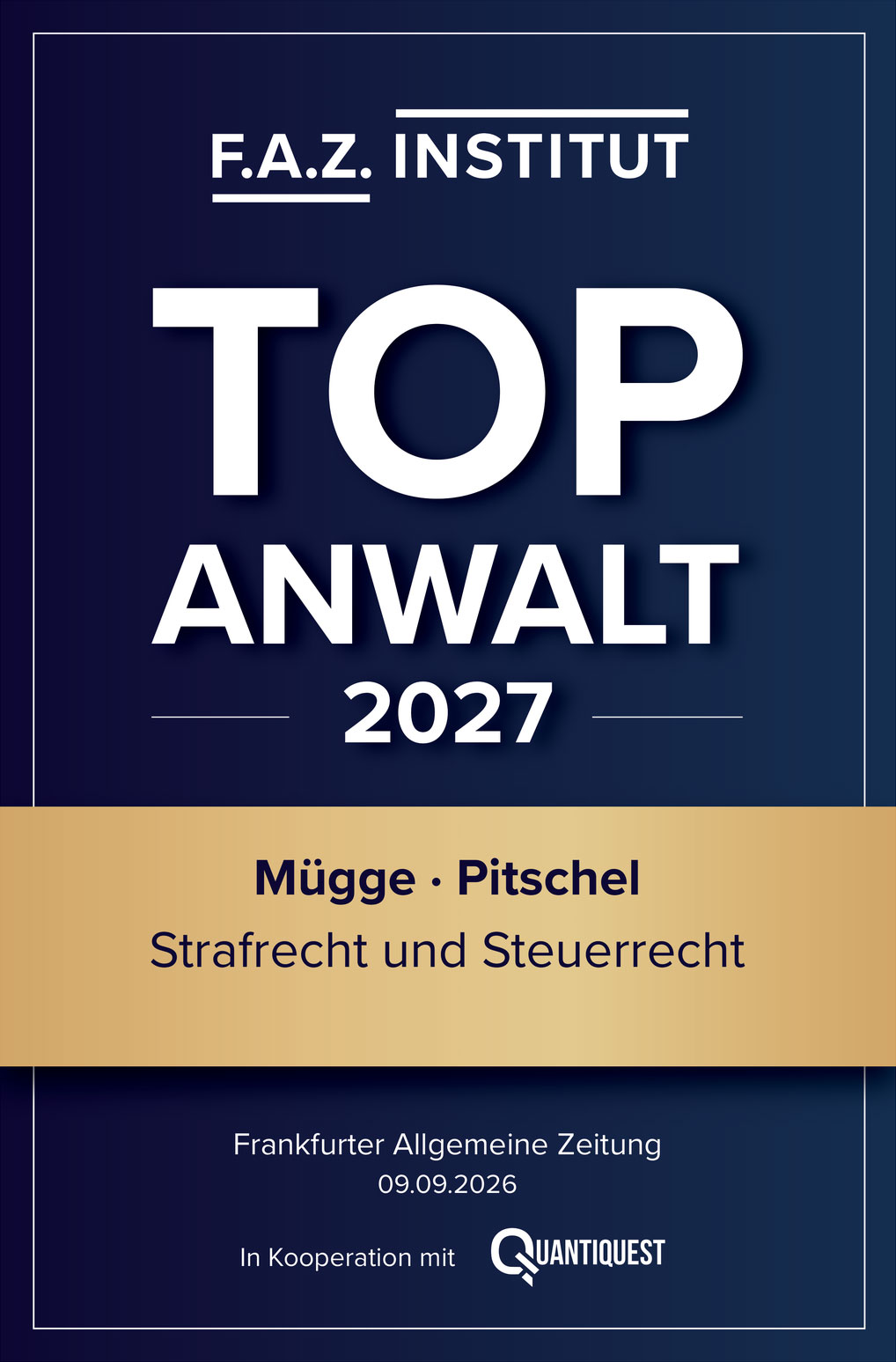
 TOP Lawyer 2026 & 2027 for Criminal Law and Tax Law
- Certified Specialist Attorneys for Criminal Law and Tax Law
- Certified Consultants for Criminal Tax Law and White-Collar Criminal Law (DAA)
Who we serve
Crypto in Tax Law
The decisive factor is not the platform, but the tax classification of the specific facts.

Traders and Investors
Tax audits, undeclared gains, or requests for information regarding cryptocurrencies.

Companies with Crypto
Correctly classifying crypto assets in business assets, token transactions, and payments via wallets.

International Structures
Foreign exchanges, wallets, and relocations of residence with international tax implications.

Undeclared Gains
We review corrections, voluntary disclosures, and potential criminal law risks.

Correction and Voluntary Disclosure
Correcting Previous Information
If capital gains or income from staking, mining, or DeFi were not fully declared, we examine whether a correction or a voluntary disclosure pursuant to Section 371 of the German Fiscal Code (AO) is an option. Whether it can still result in immunity from prosecution depends on completeness and potential grounds for exclusion.
The earlier tax processing and legal strategy are coordinated, the greater the room for maneuver. In this regard, we work closely with specialized tax advisors.

Understanding the Technology
Tracing Wallets and Transactions
Wallets, exchanges, transaction chains, and tax processes are interconnected. Before a matter can be evaluated for tax purposes, it must be understood technically.
For complex wallet structures, we collaborate with a specialized partner for crypto forensics.

When Tax Investigators or Prosecutors Investigate
In investigations concerning undeclared crypto gains, money laundering, or fraud, we defend you in tax and white-collar criminal law. Victims can find help on our page regarding crypto fraud.


Your Contacts
Who Will Advise You
Our certified tax attorneys combine tax law classification with technical understanding of digital assets.
Meet our team






Benienja Kirschbaum
Office Management

Carolina Mügge
PA to CEO
What Our Clients Say










Questions About Crypto and Taxes
What Investors and Traders Ask
Confidential Initial Inquiry
Describe your situation to us
Please let us know confidentially which years, platforms, and income are involved and whether you have already received mail from the tax office. We will get back to you to clarify the next steps.
Call directly